

Photography from a Kayak
A kayak has long been one of my main ways of moving through nature.
For years, I’ve used it to travel along rivers, through canyons and into places that are otherwise difficult to reach.
For a long time, I also carried a camera in my kayak to photograph clients on trips or friends in action. The kayak allowed me to be right where things were happening and to shoot from a perspective you simply can’t get from the shore.
Recently, the focus has shifted a little.
From people to birds.
And Lake Skadar, a place I’ve been returning to regularly for the past decade, is ideal for that.
Most of the time, you paddle alone. You hardly see any kayaks on the lake, apart from around Virpazar. Most tourism here is based around trips in traditional wooden boats powered by small engines.
As I paddle from the north, starting at Rijeka Crnojevića, towards the south and the sea, I begin to notice how naturally a kayak fits into this environment.
The kayak moves almost silently through the water.
Whether they are hidden among the water lilies and thick vegetation surrounding the lake, or drying their wings on the posts that mark the way for larger boats, they often watch me with the same curiosity with which I watch them.
I feel privileged to be able to enter their world so quietly.
During my latest expedition, besides my job as a guide, I decided to photograph the birds we encountered along the way.
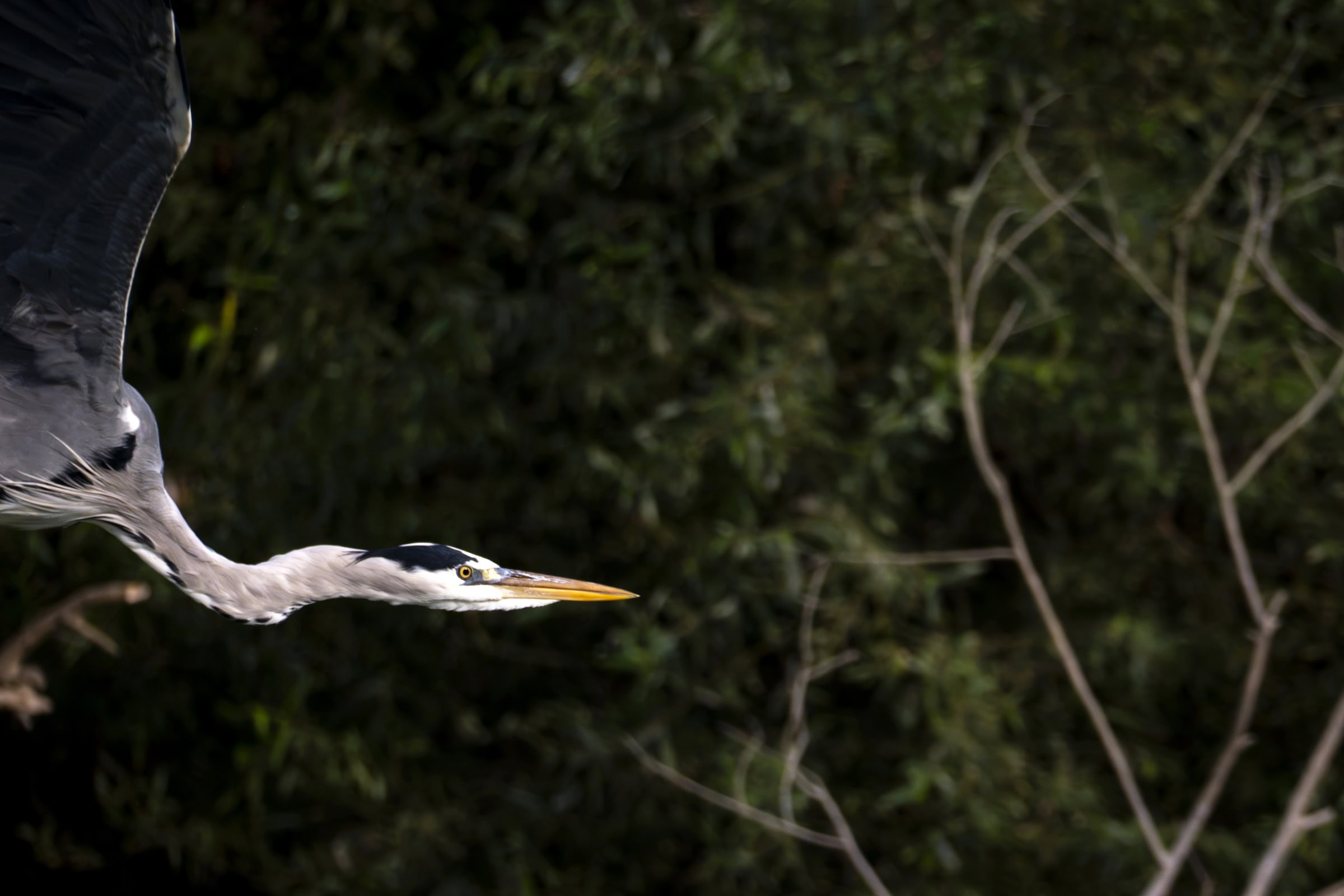
A grey heron followed us from Rijeka Crnojevića to the entrance of the Morača, where it handed us over to numerous kingfishers.
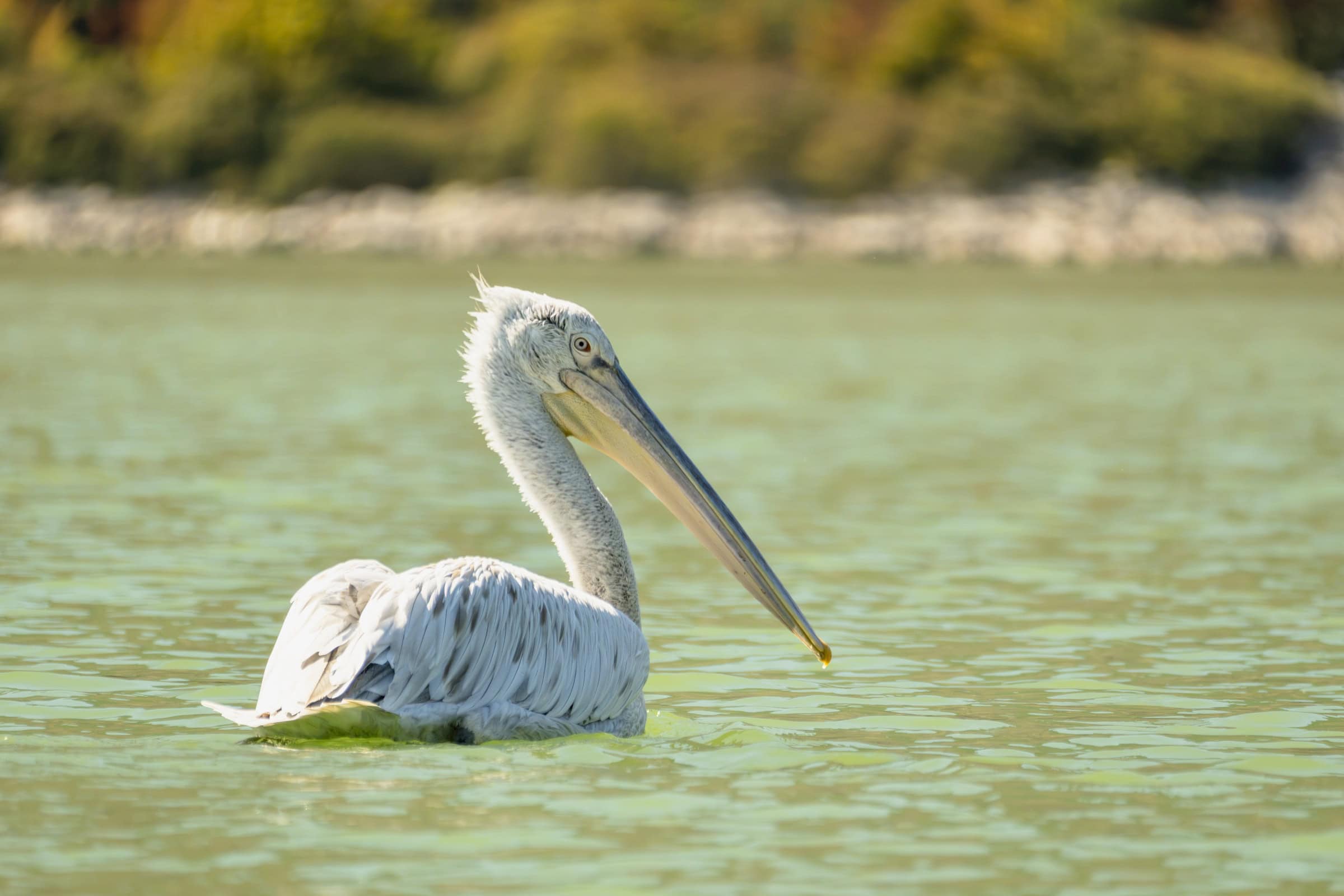
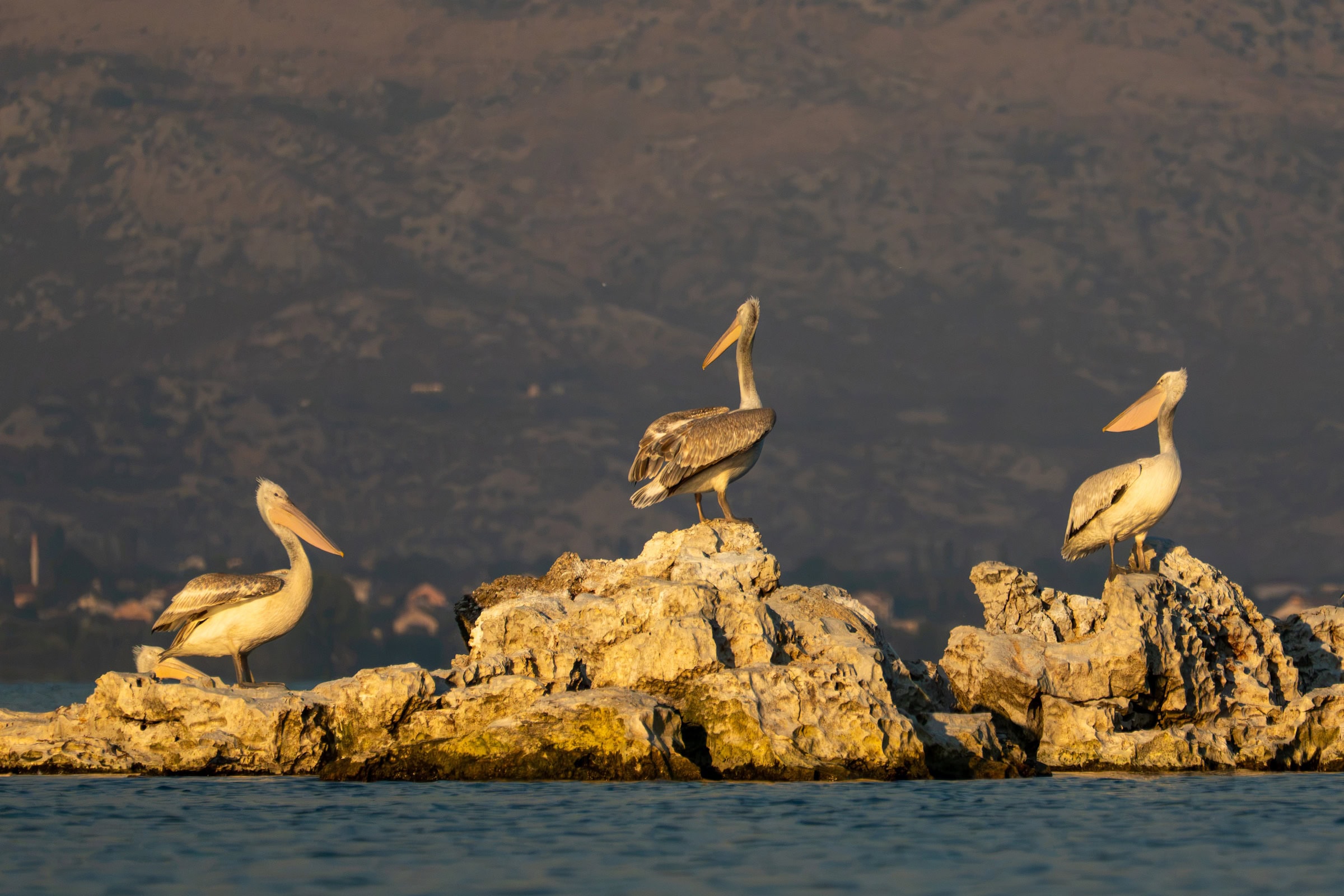
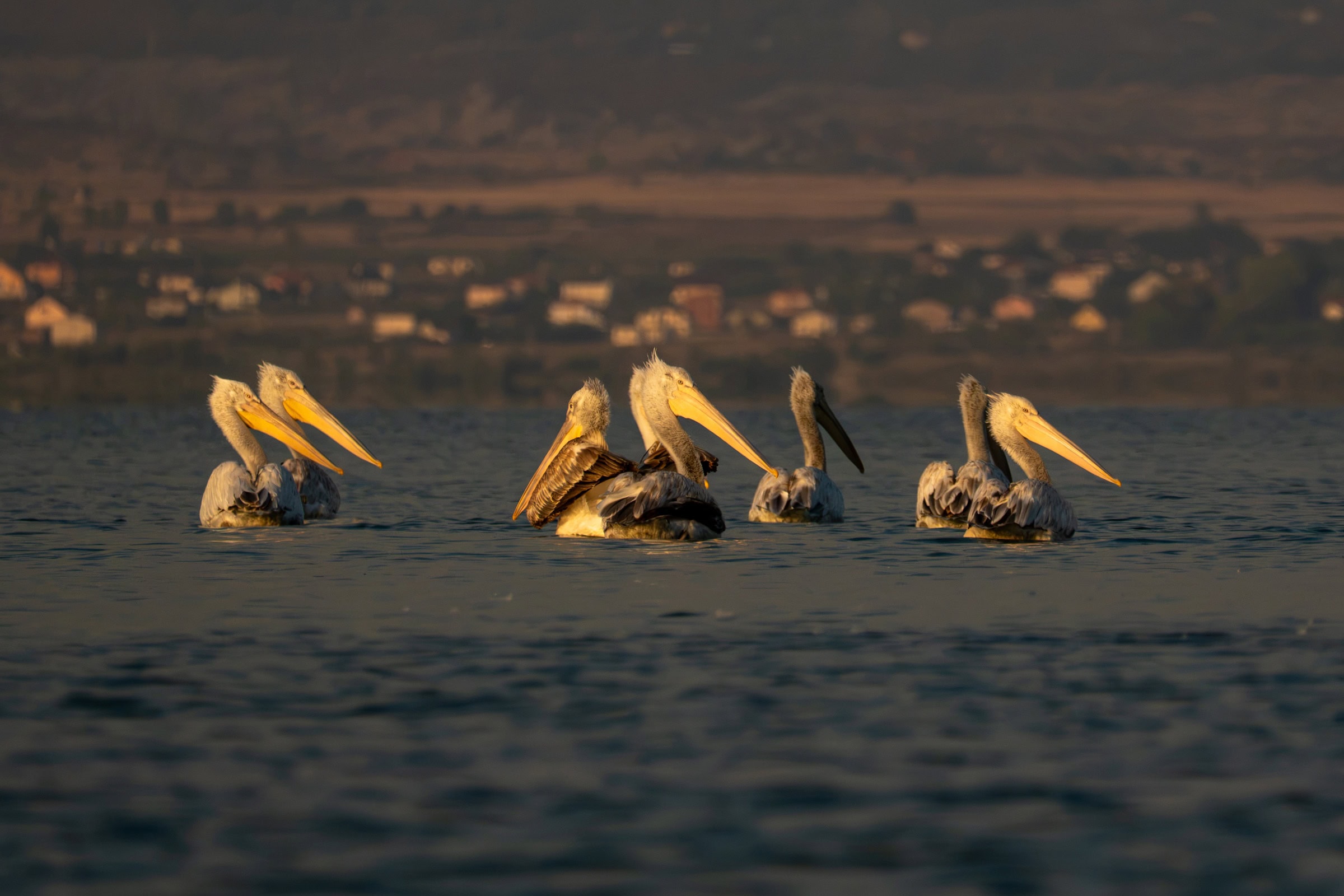
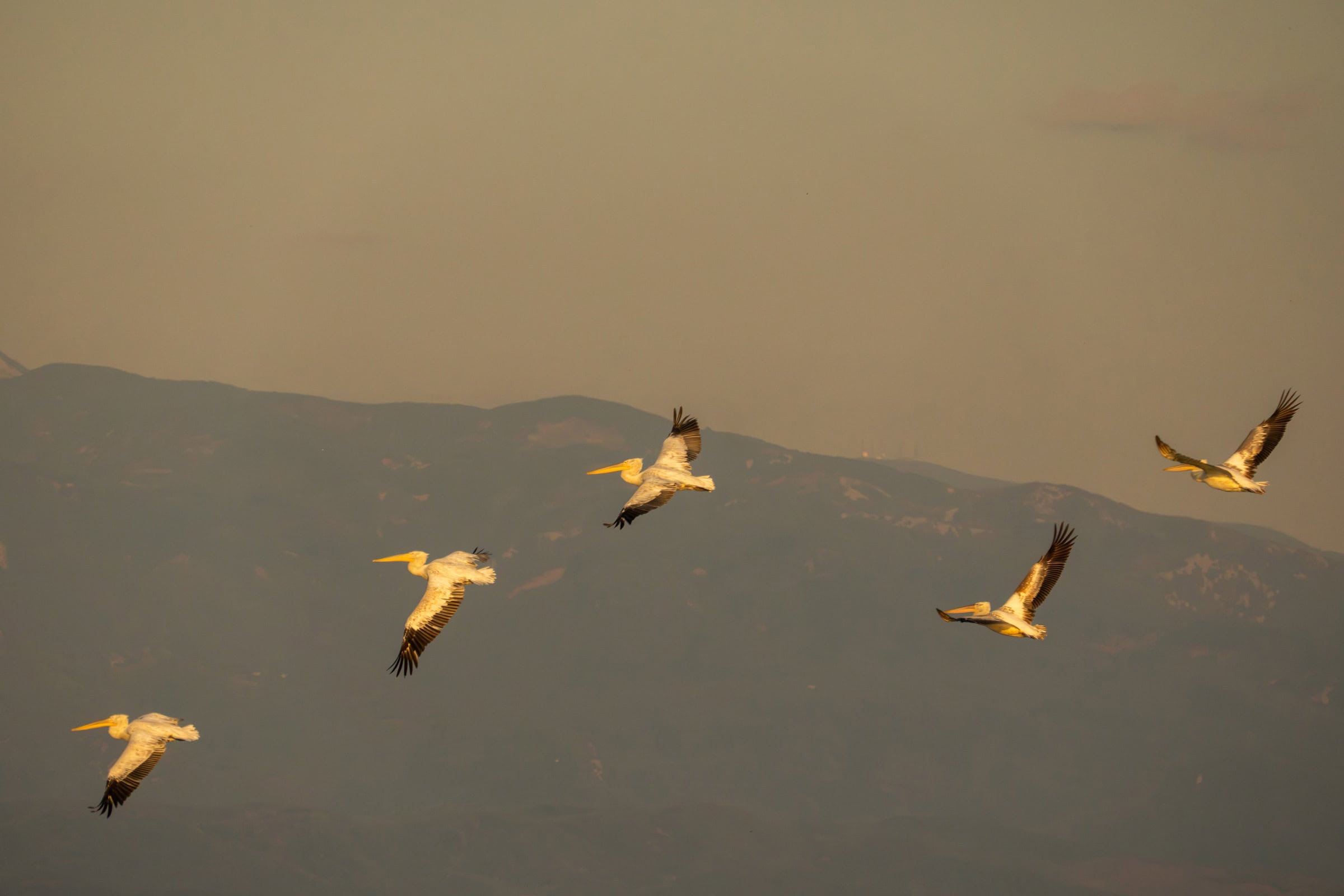
Out on the open southern part of the lake, we were welcomed by the biggest birds of the lake & Europe.
Dalmatian pelicans, Pelecanus crispus.
Paddling alone across the lake, you move through their territory almost at water level, quietly enough that sometimes, for a few moments, they seem to forget you are there.
But photographing from a kayak isn’t quite as romantic as it sometimes looks in the photographs.
For me, it is much more interesting than waiting in a hide. It is less static, but certainly more demanding, and much riskier for the equipment.
There are many more things to think about. The movement of the water, waves, wind, the position of the kayak, the direction the bird is moving and, on top of all that, the camera settings.
While you are trying to compose the frame, the kayak already has its own idea about where it wants to go.
One of the basic requirements is to be completely comfortable in a kayak.
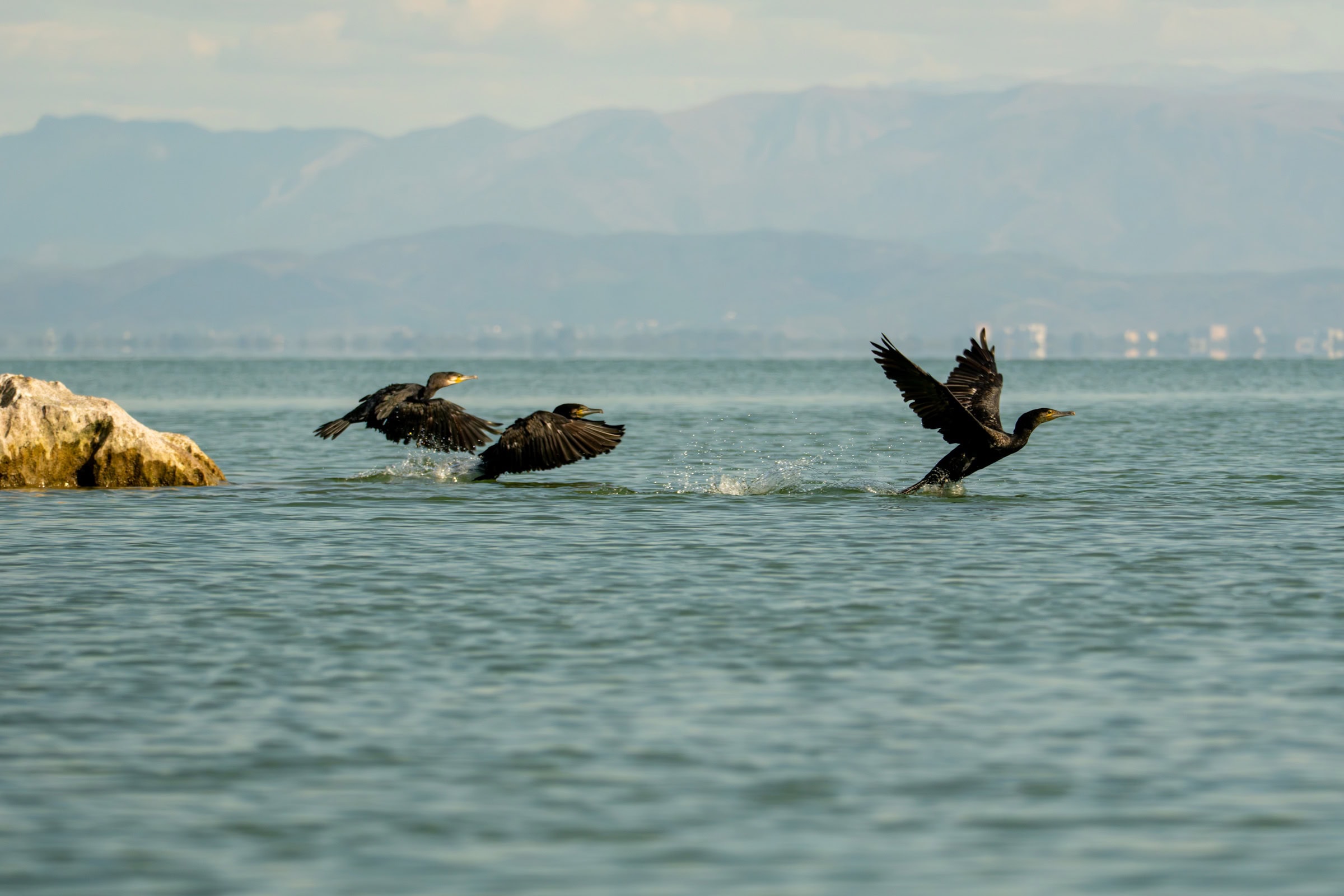
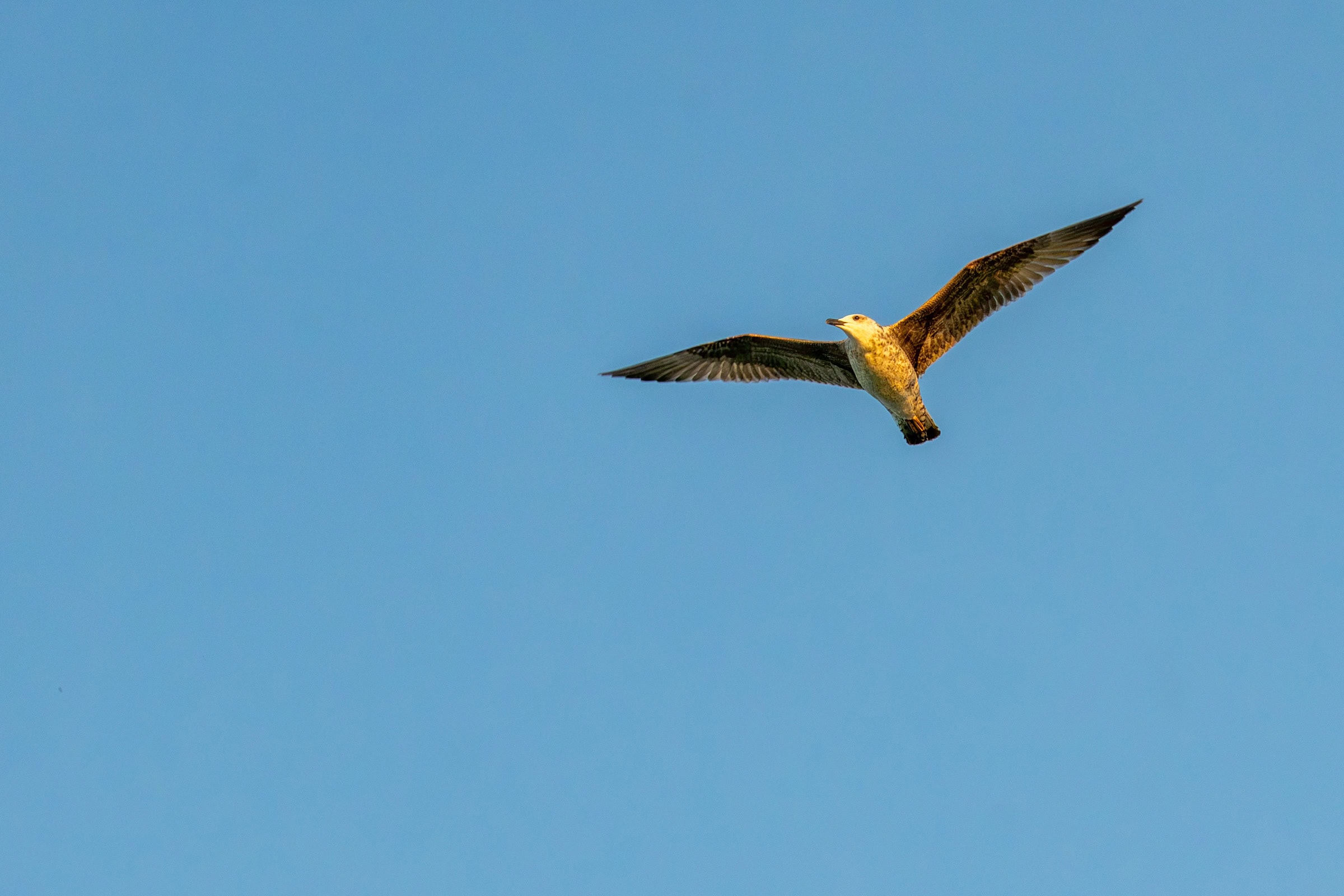
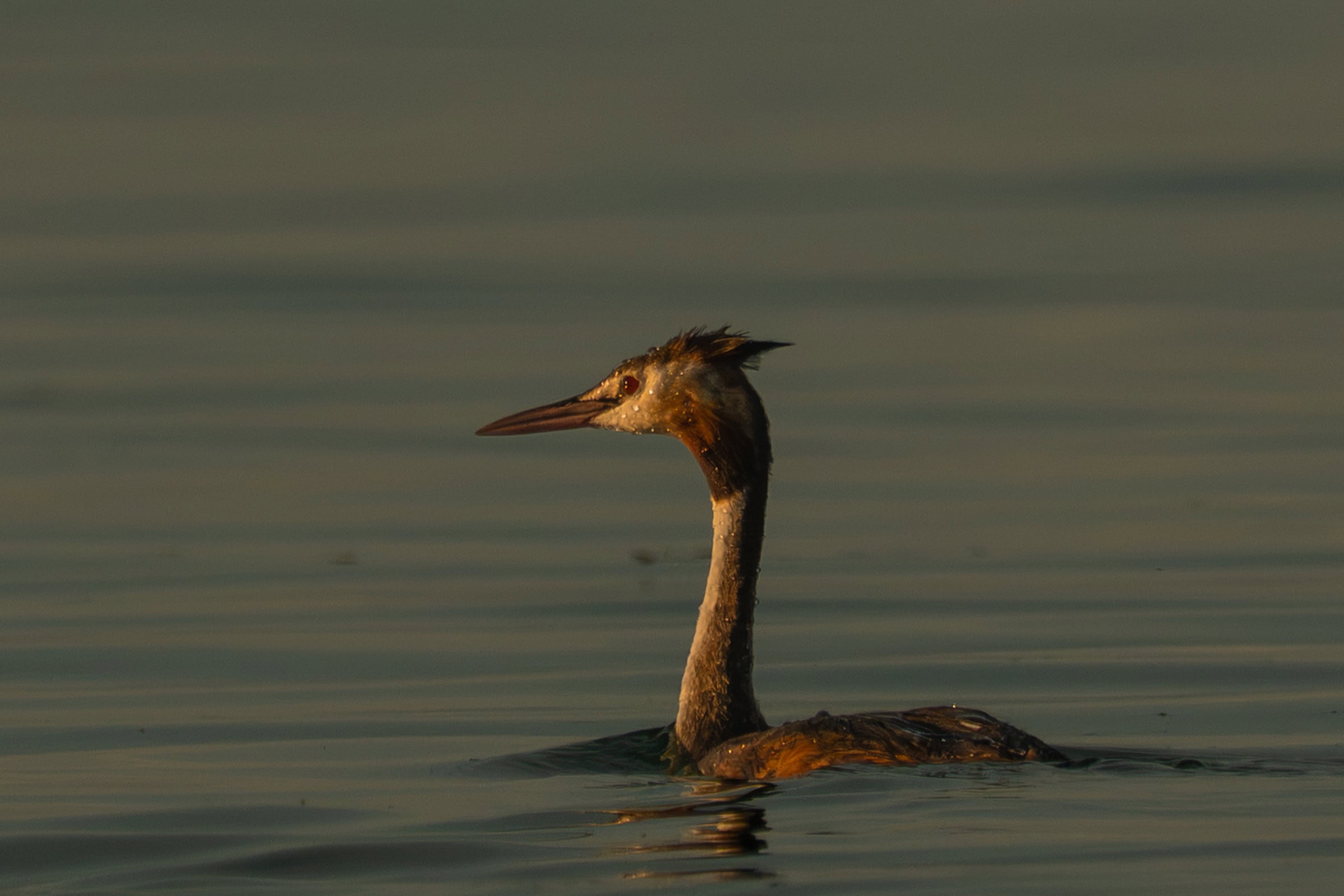
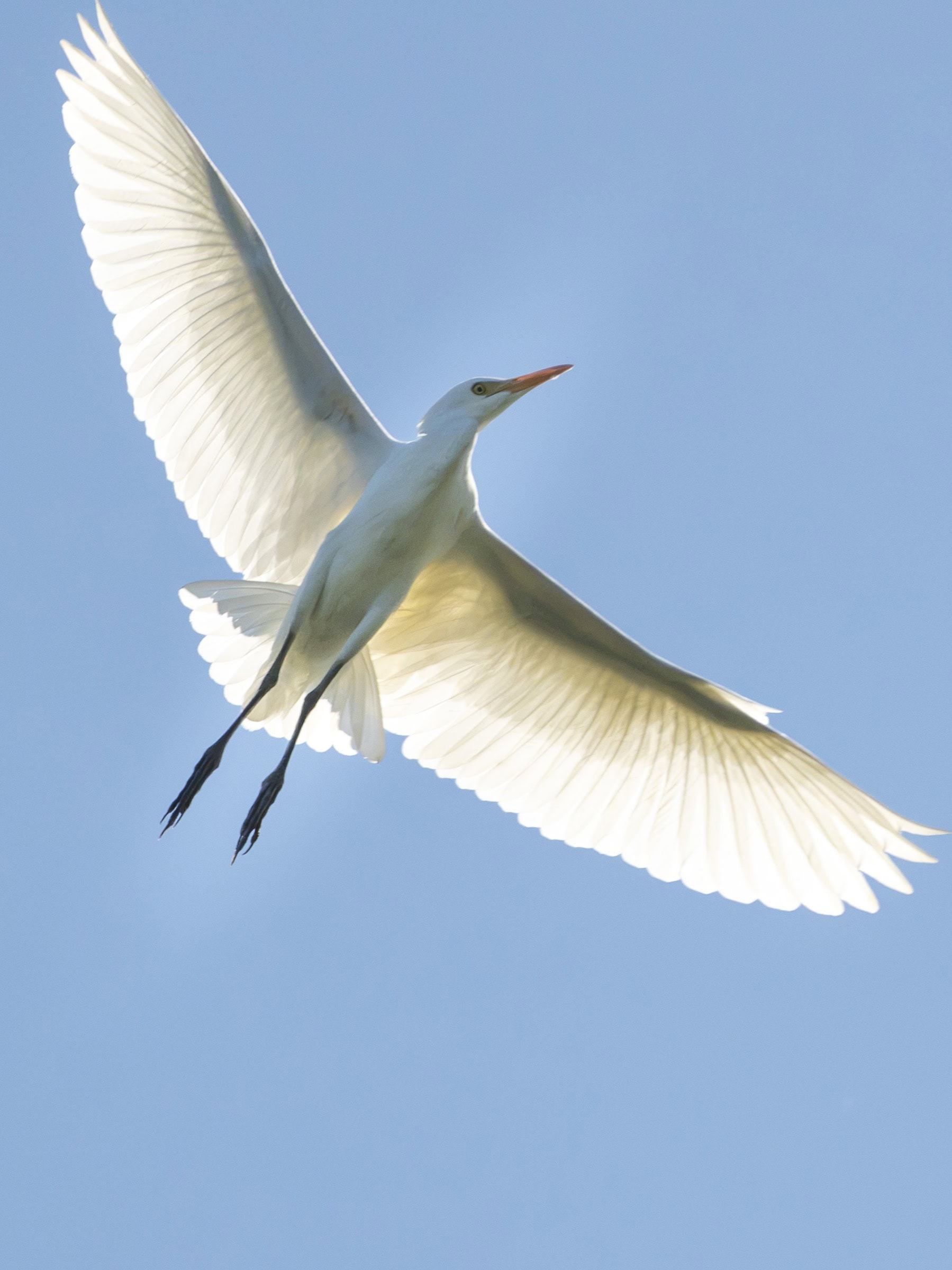
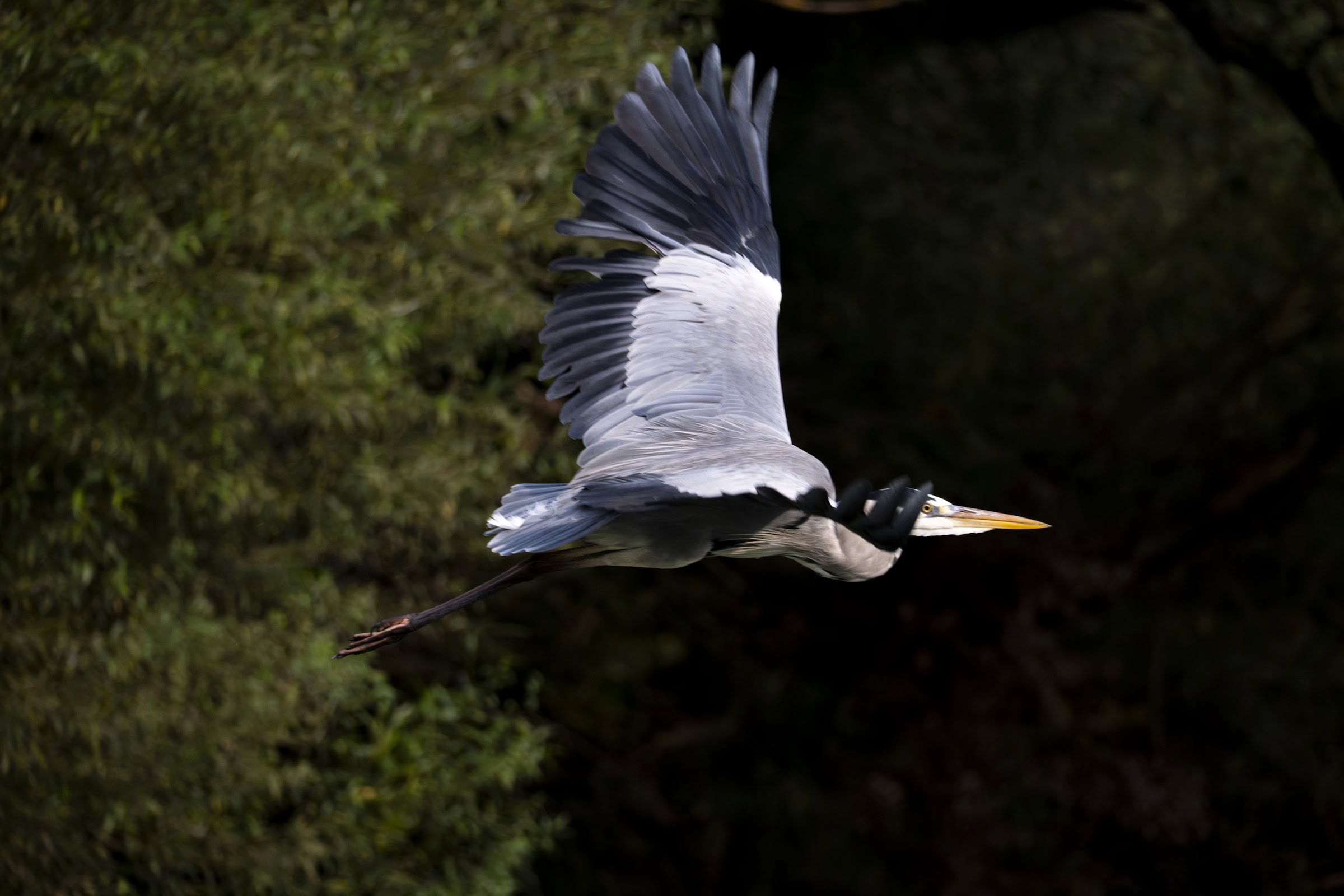
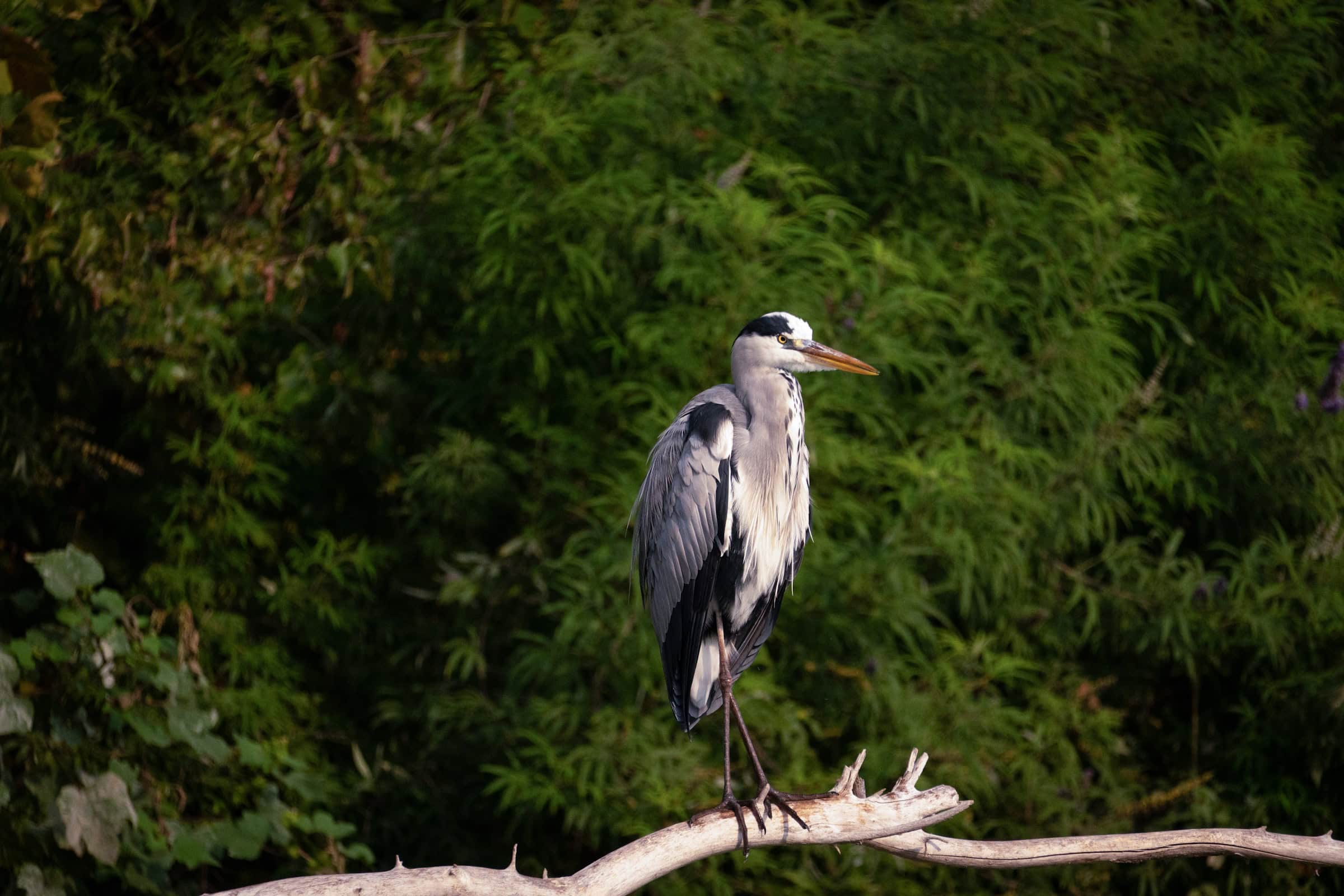
A camera needs both hands, and the bird certainly isn’t going to wait for you to put down your paddle, find your balance and get into position for the shot. You need to feel the kayak well enough that you almost don’t have to think about it.
Only then can you shift your attention to the bird.
Even then, things rarely go exactly as planned.
Sometimes you get close enough, only for the wind or current to turn the kayak just as you lift the camera. Sometimes the bird is gone before you even find it through the lens. And sometimes you come back with a photograph that is far from perfect, but still reminds you of the moment.
Maybe that is exactly what I like about photographing from a kayak.
You are not hidden away, waiting for something to come to you. You move, you search and you observe. Sometimes you come back with the photograph you wanted. Sometimes you come back with just the attempt.
After so many years on the water, I no longer see a kayak simply as a way of getting from one place to another.
It can be transport, sports equipment, or simply a way to spend a few days far from roads and people.
And more and more often, it is my photography platform.
Probably the most unstable tripod I’ve ever used.

